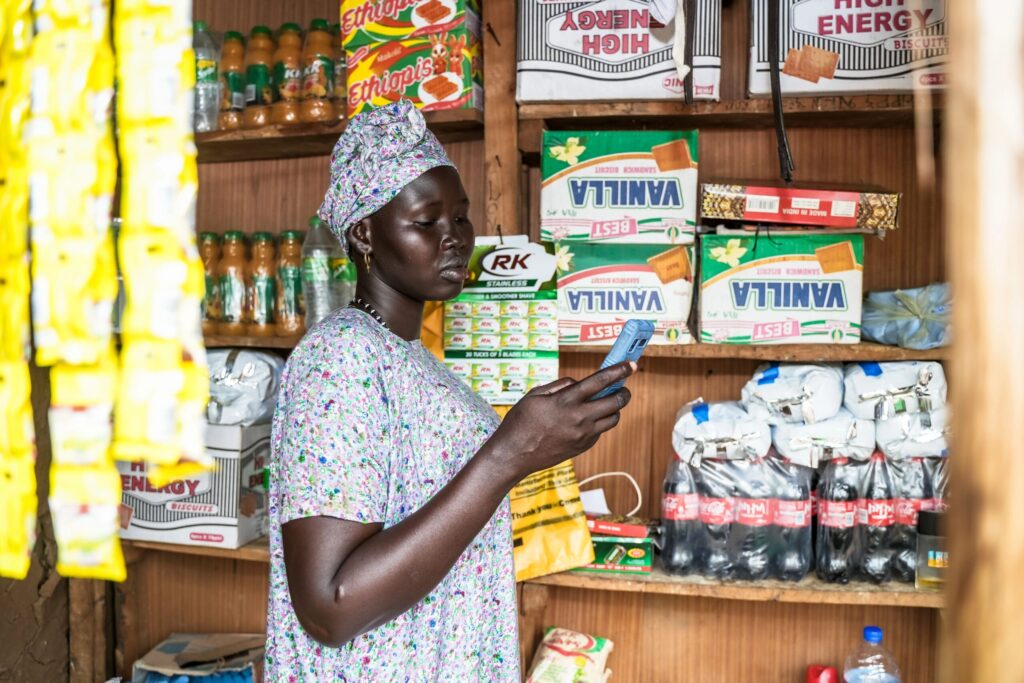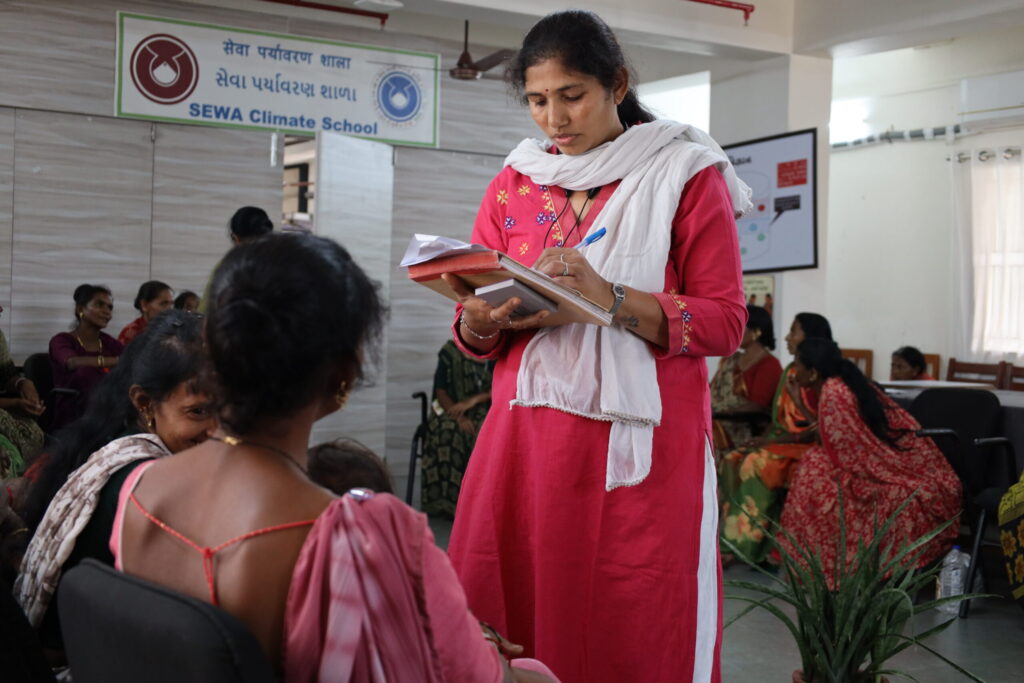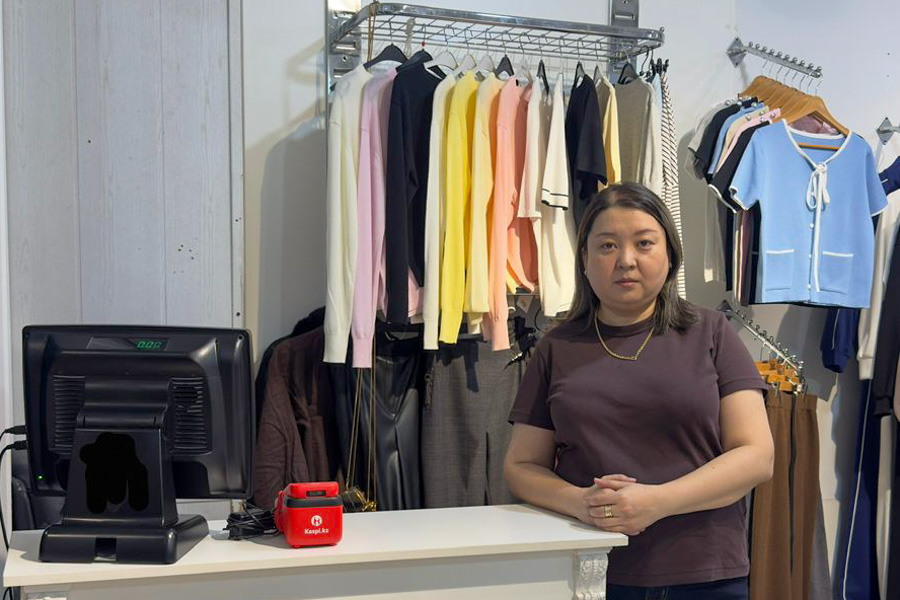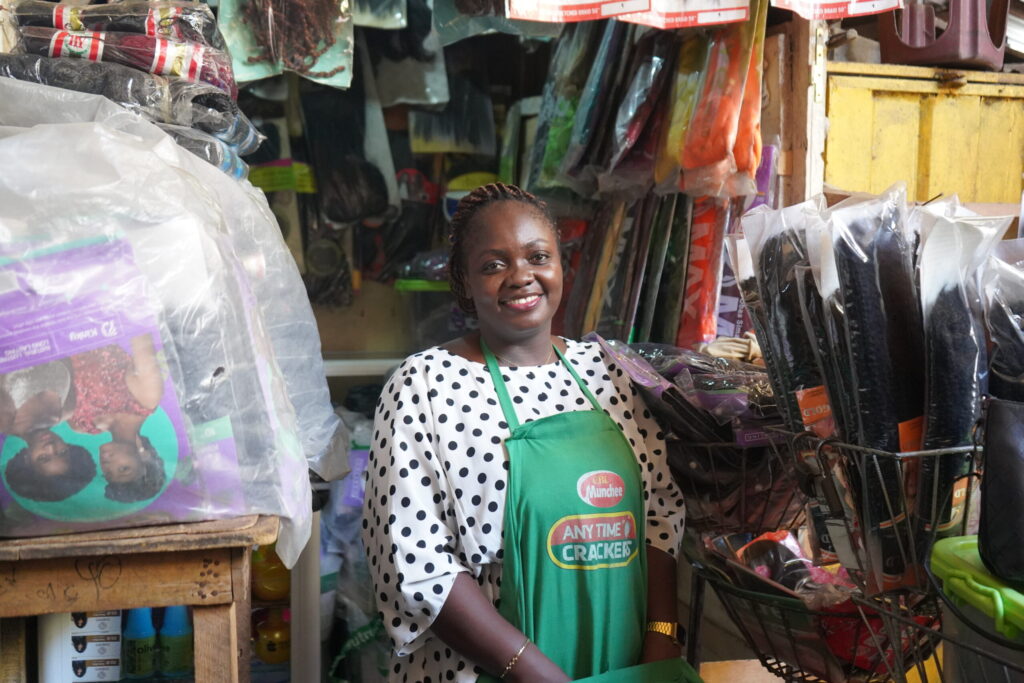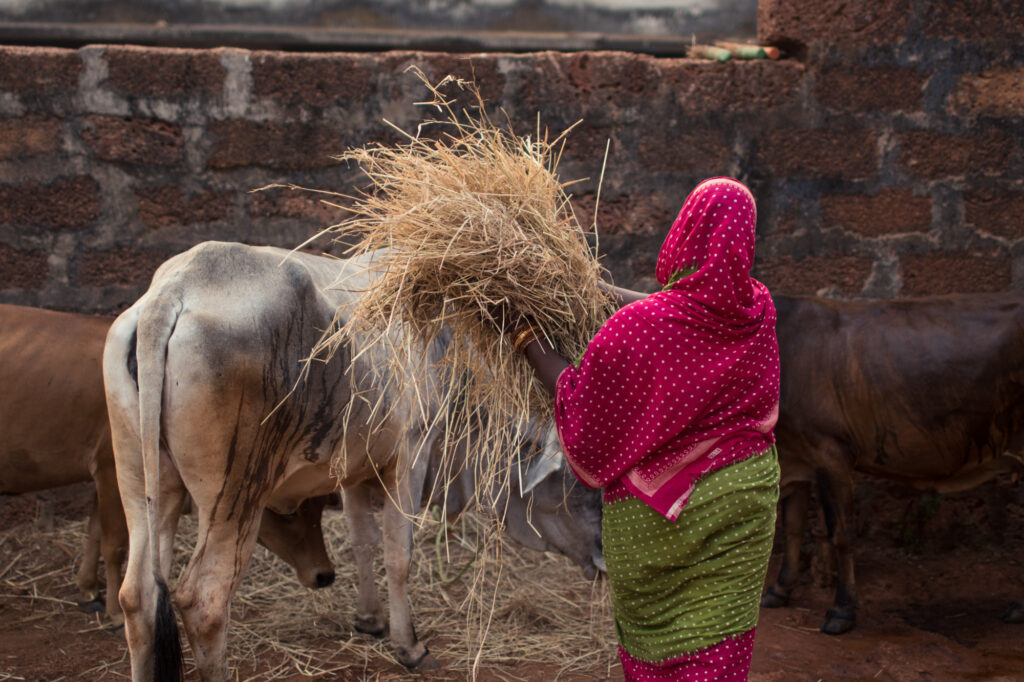
Climate impacts are widely acknowledged as gendered. Women experience climate shocks differently, often earlier and more frequently. Droughts affect water collection and food preparation, responsibilities that often fall to women. Floods disrupt informal livelihoods where women are overrepresented. Heat stress affects sectors such as agriculture, street vending, and small-scale processing, where income is already precarious. These roles also impact women’s mobility during disasters.
Yet the gendered nature of climate risk, so visible in livelihoods and households, quietly disappears when capital is structured, priced, and deployed.
Climate impacts are gendered. Climate finance, however, still behaves as if risk were neutral. If climate finance is supposed to address climate vulnerability, it should logically flow toward where vulnerability is highest, and that’s often among women.
Where gender disappears in climate finance
Climate finance decisions often carry implicit biases.
Most financial models assume stable income streams, asset-based collateral, and long investment cycles. These assumptions shape eligibility criteria, repayment schedules, and risk assessments across climate investment portfolios. But they can systematically disadvantage women.
Take climate adaptation technologies such as solar irrigation pumps or dairy cooling equipment. These assets are widely promoted as tools for climate resilience and agricultural productivity. Women farmers who experience severe shocks are least able to make adaptation investments, reinforcing the vicious cycle of vulnerability.
In India, solar irrigation pumps are increasingly promoted as a tool to reduce dependence on diesel and groundwater variability. However, most financing models assume land ownership, collateral and formal documentation. Because land titles are overwhelmingly held by men, women farmers often remain excluded from financing schemes designed to support climate adaptation.
Similar dynamics appear in climate-focused energy enterprises across sub-Saharan Africa. Companies providing solar-powered refrigeration, milling machines, or cold storage units for microenterprises often rely on traditional underwriting models. Women-run businesses, which tend to operate with smaller assets and more irregular income flows, are frequently perceived as higher-risk borrowers.
Beyond differences in asset ownership, women-led rural enterprises often operate within tighter decision-making and resource constraints than those led by men. Women may have less control over household financial decisions, limited access to agricultural extension services, and weaker integration into market and information networks that influence technology adoption. They also tend to have fewer financial buffers such as savings, livestock, or informal borrowing options to absorb climate shocks. As a result, women’s ability to invest in climate-adaptive technologies is shaped not only by credit access but also by social and institutional factors that financial models rarely capture when assessing risk.
Yet evidence consistently shows that women microfinance borrowers often demonstrate equal or stronger repayment performance than men. The problem is not necessarily that women represent higher risk. It is that financial systems are not designed to recognize how gender shapes economic behavior.
The timeline mismatch
There is also a deeper misalignment in the timelines of climate finance. Most climate investments operate on long horizons, infrastructure investments, multi-year climate funds, or asset financing structures designed to generate returns over several years.
But many climate risks that women manage operate on much shorter timeframes, such as water shortages, food price fluctuations, crop losses linked to erratic rainfall, or income disruptions during extreme heat. These shocks unfold weekly or seasonally, shaping household cash flows in ways that standard lending models rarely capture. For many women, these disruptions are closely tied to household responsibilities such as managing food, water, and caregiving needs, meaning climate shocks translate immediately into daily financial decisions rather than long-term investment planning. The rhythm of climate finance is measured in years. The rhythm of gendered climate risk is measured in days.
When financial products fail to account for these realities, they often interpret resulting repayment stress or product dropout as borrower risk rather than product misalignment.
Rethinking how climate finance sees gender
If climate risk is gendered, financial instruments need to reflect how that risk actually unfolds.
One promising tool is parametric climate insurance, which provides automatic payouts when predefined climate thresholds, such as rainfall deficits or extreme heat levels, are reached. Unlike traditional insurance, there is no claims process, no documentation required, and no adjuster to negotiate with. This matters enormously for women in the informal economy, who rarely have the paperwork, financial literacy, or time to navigate complex claims systems. Because payouts are triggered quickly, they can provide immediate liquidity aftershocks, helping households avoid distress borrowing and asset sales that disproportionately trap women in cycles of debt.
Another approach is expanding cash flow-based lending models that rely less on land collateral and more on transaction histories, value-chain relationships, or group guarantees. Digital financial data increasingly allows lenders to assess creditworthiness through behaviour rather than asset ownership — a critical shift for women smallholders who are systematically excluded from traditional credit scoring. Digitized data from mobile money transactions, cooperative membership, or purchase histories can build alternative credit profiles that reflect real economic activity, even where formal collateral is absent.
Climate finance can also integrate flexible repayment structures aligned with seasonal income cycles in agriculture and informal enterprise sectors. Instead of fixed monthly schedules, repayment windows can be calibrated to crop cycles or business cash flows.
Existing loan products can be reimagined rather than rebuilt from scratch. Working capital loans already familiar to low-income borrowers can be repurposed to finance climate-adaptive investments, including diversified livestock, soil health tools, and digital agriculture services. For women smallholders, this diversification is especially valuable: reliance on a single crop is one of their greatest climate vulnerabilities, and broadening income streams builds resilience without requiring entirely new financial relationships.
Also, climate investors could introduce gender stress testing into their portfolios. Instead of measuring gender only as an impact metric, funds could analyze where gender-blind assumptions create hidden risks in technology adoption, credit performance, or market demand.
These shifts can strengthen risk modelling by incorporating behavioural realities that traditional metrics overlook. This creates what might be called a gendered risk pricing gap in climate finance. Financial systems model climate exposure through assets, infrastructure, and macroeconomic indicators, but often overlook how gender shapes behavioural responses to shocks. As a result, climate finance may simultaneously underestimate women’s resilience and overestimate their credit risk.
Our research validates this. A forthcoming demand-side study conducted in 2024 and 2025 with over 800 low-income women MSE owners in Addis Ababa and Dire Dawa, Ethiopia, suggests that the combination of financial services and timely climate information is a strong predictor of adaptation investment. Yet women who had already experienced severe shocks were the least likely to have the resources to act on that information. The implication for product design is clear: timely climate information, paired with accessible financial services, is essential to enabling adaptation investments for women.
The real opportunity
Global climate investment reached $1.9 trillion in 2025, according to the Climate Policy Initiative. However, only 0.01 percent of global climate finance funds gender-responsive projects, despite women comprising 80 percent of climate-displaced people in developing countries. As capital flows accelerate, the challenge ahead is not only mobilizing finance but deploying it intelligently.
Recognizing gender is not simply about ensuring representation in climate programs. It is about understanding who adopts technologies, who absorbs shocks, and who reliably repays. Even the most well-intentioned climate finance instruments can actively harm women if gender is treated as an add-on rather than a design principle.
If climate risk is gendered and the evidence increasingly shows it is, then ignoring gender in financial design is not neutral. It is mispriced risk.